Willie “Bill ” Cooper Jr. ’68
2025 Lassiter Lee McKissick Sr. Walker Trailblazer Award
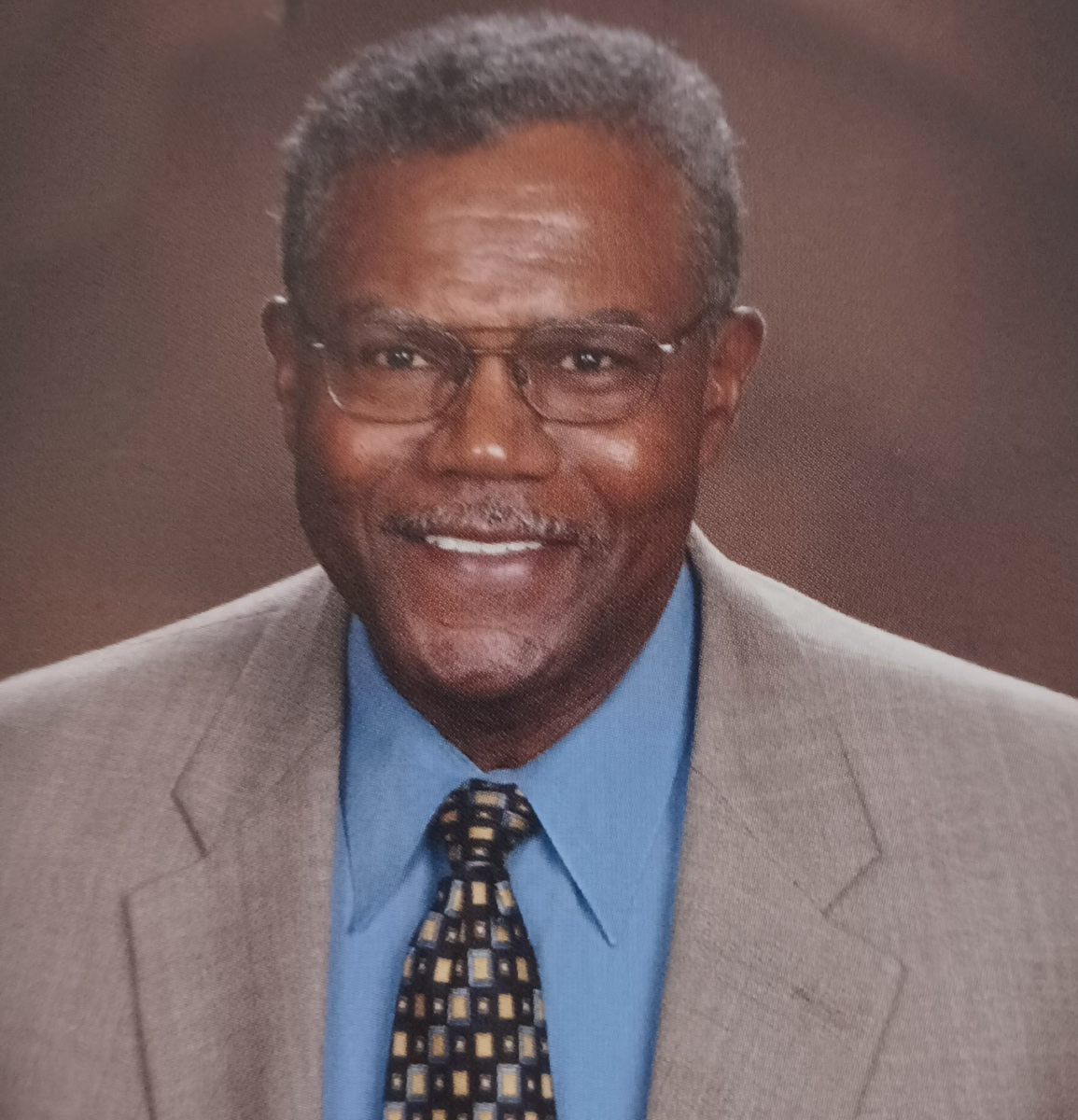 In the quiet town of Elm City, a remarkable story of resilience and ambition emerged from a sharecropper’s family struggles.
Willie “Bill” Cooper Jr. faced challenges from an early age. After his father’s death when Cooper was 8, his mother struggled with major health problems while raising Bill and his older sister, leading to a difficult upbringing.
Yet fate intervened in the form of the human services department, which placed him with a loving foster family. “They raised me as their own,” said Cooper, the 2025 Lassiter Lee McKissick Sr. Walker Trailblazer Award recipient, reflecting on his foster family’s support and teachers’ encouragement that helped him become an A and B student instead of a struggling student.
During his adolescence, basketball became an impetus for Cooper. By sixth grade, he developed a passion for the sport, which defined his high school years. Standing 6 feet 2 inches, he excelled defensively, leading Frederick Douglass High School to two state championships and catching UNC coach Dean Smith’s attention.
In 1964, Cooper became the first Black athlete to join UNC’s freshman basketball team — paving the way to potentially earn an athletic scholarship for the varsity team in his sophomore year — and was the first African American to play for a North Carolina school in the Atlantic Coast Conference.
As a walk-on, his presence on the team symbolized a breakthrough in overcoming the color barrier during a contentious time for racial integration in the South. “It was challenging,” Cooper recalled, “being the first Black player at Carolina while balancing my academic commitments.”
He faced many hurdles. During an away game in Virginia, a restaurant refused to serve him, prompting his coaches to quickly find a safer dining option. On another trip, however, they decided it was too risky for him to travel with the team because of safety concerns.
For Cooper’s remarkable contributions to sports integration at UNC and other Southern schools, Algin Holloway ’68, who nominated Cooper for the Trailblazer award, stated: “Just as Jackie Robinson blazed a trail for others, so did Willie. Many great African American athletes thrived at Carolina, but few faced the level of racism that Willie endured.”
Cooper faced racial bias and isolation, particularly from some white teammates who refused to share a room with him. He found solace with a Black roommate in another dorm, but the emotional scars remained. Despite excelling as a defensive specialist, he struggled to balance academics and athletics and chose to leave basketball to focus on academics.
Although Cooper moved on from the sport, he fondly recalls this unforgettable moment: shooting and making his first shot on the freshman team. “Woollen Gym went wild,” Cooper said.
Cooper graduated from UNC with a business administration degree and served as a captain in the U.S. Army during the Vietnam War. In 1973, he began a 20-year career at IBM Corp. before retiring in 1993. He started a landscaping business in Chattanooga, Tennessee, retiring again in 2021.
Today, Cooper reflects on his experiences, recognizing their weight but cherishing the opportunities they provided.
He acknowledges the significant changes in collegiate sports since his time at Carolina and encourages young African American athletes to seize educational opportunities. “Education is crucial for making informed decisions that impact you and your community,” Cooper said. “Where there’s a will, there’s a way. If you want it, go for it and ignore anyone who says you can’t.”
His story is one of breaking barriers and forging ahead against the odds — an inspirational reminder of the power of perseverance, support and the tireless quest for equality in sports and life.
Cooper is the father of three (Tonya Williams ’97 (’15 MSW), who played on UNC’s 1993–94 women’s basketball championship team; Cynthia Cooper; and Brent Cooper, who played junior varsity basketball at UNC in 1991–92). Cooper lives in Apex with his wife, Helen, and enjoys spending time with his 13-year-old grandson, CJ.