Campus Construction
Howard Wertheimer, Carolina’s associate vice chancellor for Facilities Services, answered questions from University Communications this week regarding ongoing campus construction as the University attempts to tackle its “deferred maintenance” backlog — to the tune of well over $1 billion — and update aging infrastructure.
The construction includes building new facilities and renovating and repairing existing buildings to improve energy efficiency and accessibility. In the background of these projects is the reality that Carolina plans to welcome thousands more students in the coming years and likely more staff and faculty over the next decade.
The interview below was published Monday by University Communications and Marketing.
Why are we building new residence halls on campus?
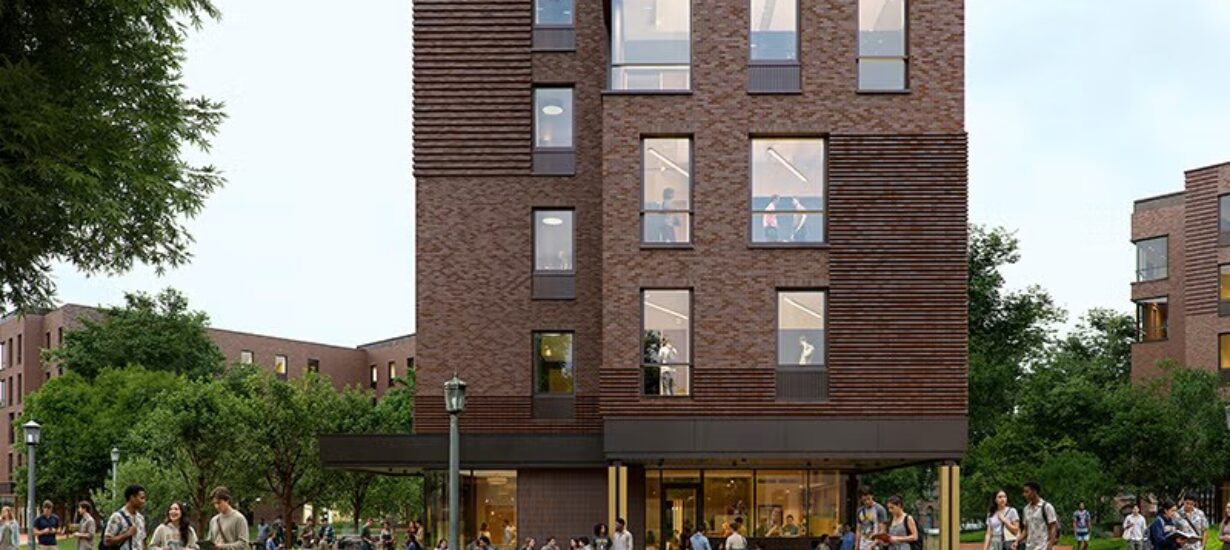
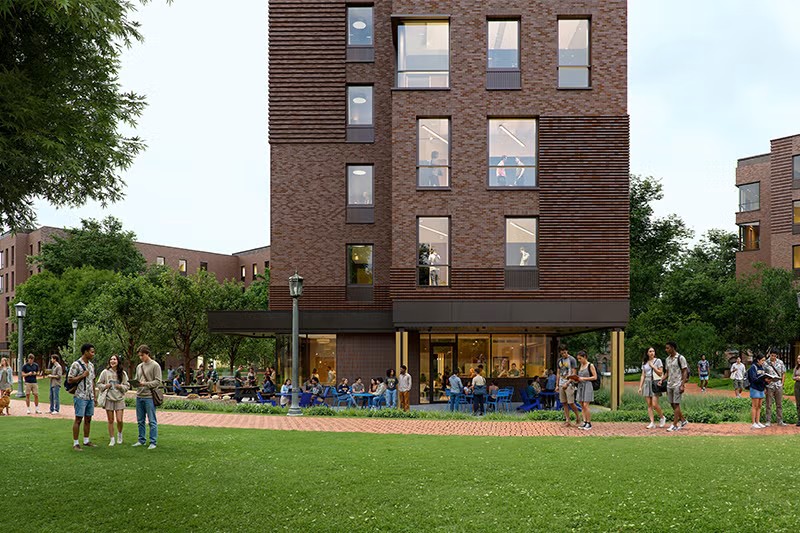
We have an imperative to increase undergraduate enrollment. If we want to guarantee first-year students on-campus housing, we need to make sure we can accomplish that need. So we’re building two new residence halls with about 730 beds — one is called Jackson Hall — that will expand our on-campus housing for the first time in 20 years. This project will take two years to construct.
There are other student housing projects — part of our housing master plan — that will help address our growing enrollment and the need to modernize some of our current residence halls, including the replacement of Parker and Teague and renovations to Hinton James and others. Parker and Teague are older buildings that are getting to the end of their useful life, and we’re going to replace them with new construction. We’ll be getting more beds on the site by making better use of the land in the center of campus along Stadium Drive.
Will you also have to build new classrooms to support enrollment growth?
We continue to make progress on improving classroom utilization, as our data shows we have the opportunity to make better use of our current classroom stock. We are also investing in renovating our existing classroom inventory to make it more supportive of modern teaching and learning. I have spent a lot of time with the registrar, representatives from the provost’s office and other senior leaders to develop improved strategies to meet or exceed UNC System requirements. [Improving] existing physical assets is a lot less expensive than constructing new classroom buildings.
In addition to new construction, it looks like some existing buildings are getting a glow-up?
Yes, when you are responsible for the upkeep of a 200-plus-year-old campus, there will always be building renovations if we are doing our jobs right. Right now, the south wing of Phillips Hall, the part built in 1958, is closed for a major renovation, and we expect it to reopen for the fall 2027 semester. The main focus is replacing the building’s heating and cooling system, which means new ductwork, mechanical equipment and controls throughout that wing. While we’re in there, we’re also upgrading some of the lighting, building new mechanical rooms on each floor and replacing the windows. You’ll see some changes to the roof, too, including a new dormer and chimney and a few small updates to classrooms.
In the meantime, some sidewalks around the building are closed, which means there are pedestrian detours. We understand that this can be a particular issue for people with disabilities or anyone who has trouble with longer or uneven routes, so every effort is made to ensure remaining pathways are accessible. We always appreciate the patience of our campus during these types of disruptions.
Why is Caldwell Hall closed right now?
Caldwell Hall was built in 1912, and like many of our historic buildings, it was designed long before modern accessibility standards existed. Previously, it had no elevator, so parts of the building were out of reach for anyone who couldn’t use the stairs. This project fixes that. We’re adding an elevator and a semi-enclosed stair on the west side of the building, along with an accessible restroom on the first floor. The new addition sits slightly apart from the original facade, so we can open the building up to everyone while preserving its historic character.
What are some ways Facilities Services collaborates with student organizations on these projects?
When we started replacing the roof on the Carolina Union’s northern building in August, it also became a sustainability project. Carolina’s Renewable Energy Special Projects Committee, a student group that directs the renewable energy fee every student pays, is funding new solar panels as part of the new roof. It’s the largest project that the committee has ever taken on and a good example of students putting their own money toward a more sustainable campus.
Carolina Housing and Facilities Services connected the Residence Hall Association with the design team for the new residence halls. The student leaders on RHA participated in two meetings where they reviewed design ideas to help shape these new buildings in ways that are important to students.
You’re repairing the steam tunnel in front of the Naval Armory along Columbia Street. Why is it so important to maintain this infrastructure?
Unfortunately, pipes don’t last forever, and it’s important that we make strategic investments in our utility infrastructure to help reduce energy costs and utility bills. When steam pipes are beyond their useful life and develop cracks and holes, we are wasting a lot of energy. We have central plants on our campus, which is a highly energy-efficient way to supply heating and cooling to our buildings, as opposed to stand-alone cooling towers and chillers. While this might cost a little bit more money up front, this investment over time has many benefits. It reduces energy consumption while improving energy efficiency. It builds in resiliency and redundancy for the entire campus that individual stand-alone systems at each building could not provide.
At the end of the interview with Wertheimer, University Communications provided a list of current construction projects on campus, with timelines. For a full assessment of the University’s 10-year infrastructure plan for dorms, see “Living Arrangements,” a feature story published in the March/April Carolina Alumni Review.