- Membership
- Perks
- Things To Do
- Resources
- News
- About
- Shop
Related Content
Two Alumni Earn Davie Awards
Nov. 19, 2026
The UNC Board of Trustees selected four recipients of the 2026 William Richardson Davie Award,...
Read MoreChoosing Love
Oct. 19, 2026
Emmy Award-winning director Luchina Fisher ’88 learned the power of storytelling as a student at...
Read MoreWriting Wrongs
Oct. 19, 2026
On a freezing night in Michigan about eight years ago, a 23-year-old woman named Brittany...
Read More-
2026
-
2025
-
2024
-
2023
-
2022
-
2021
-
2020
-
2019
-
2018
-
2017
-
2016
-
2015
-
2014
-
2013
-
2012
-
2011
-
2010
-
2009
-
2008
-
2007
-
2006
-
2005
-
2004
- Academics and Athletics
- Admissions
- Alumni Profiles
- Alumni Recognition
- Around Town
- Arts
- Books
- Campus Profile
- Campus Safety
- Carolina Alumni Awards
- Carolina Alumni Leadership
- Carolina Alumni Programs and Outreach
- Carolina Alumni Reunions
- Carolina Alumni Review
- Celebrations
- Championships
- College and Costs
- Commencement
- Coronavirus
- Discovery
- Extracurricular
- Faculty
- Faculty Awards
- For the People
- Go Heels
- Greek Life
- Hark the Sounds
- Higher Education
- Homecoming
- In Class
- In Memoriam
- Innovation and Technology
- Issues
- Object Lesson
- On View
- Philanthropy
- Podcast
- Public Service
- Race and Reckoning
- Research
- Serving Our State
- Sexual Assault
- Silent Sam
- Sports
- Structures
- Student Achievement
- Students
- Timelines
- Tuition and Financial Aid
- UNC Libraries
- UNC’s History
- Undergraduate Spotlight
- University Achievements
- University Awards
- University Budget Issues
- University Development
- University Leadership
- University News
- University Rankings
- What We Do
- Who We Are
- Young Alumni
- Yours at Carolina
Arrogance Enters Hall of Fame
Posted on Nov. 17, 2026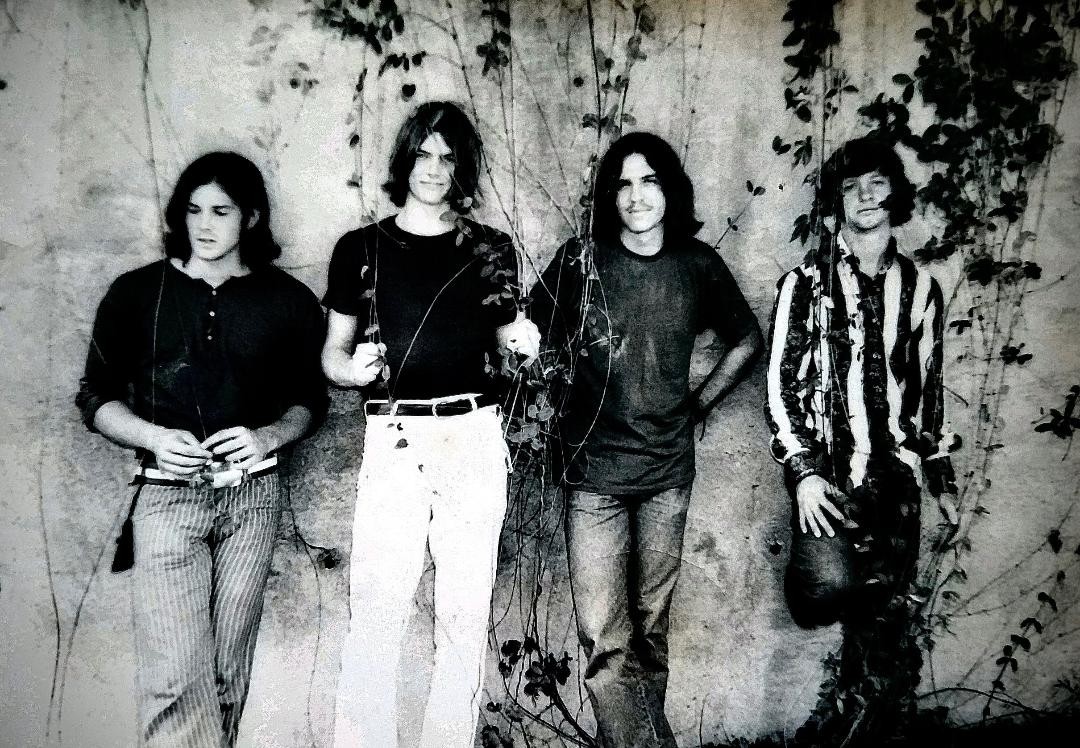
Arrogance formed in Aycock Dorm (now McClinton Residence Hall) in the fall of 1969.
The North Carolina Music Hall of Fame just got an infusion of Tar Heel talent. With the band Arrogance’s October induction, seven members who attended Carolina joined the hall: Scott Davison ’69, Robert Kirkland ’73, Mike Greer ’73, Don Dixon ’73, Marty Stout ’75, Rod Abernethy ’75 and Ogie Shaw ’75.
Arrogance formed in Aycock Dorm (now McClinton Residence Hall) in the fall of 1969, when third-floor guitarists Kirkland and Greer met first-floor bass player Dixon. By 1970, Arrogance was performing at student protests organized after the Kent State shootings and producing its first single, Black Death, an anti-war song Greer wrote and Dixon sang. Over a 14-year run, Arrogance released five albums and inspired a generation of musicians.
Peter Holsapple ’78, a founding member of the dBs and later a touring member of R.E.M. and Hootie & the Blowfish, was a teenager at Winston-Salem’s R.J. Reynolds High School when he heard Black Death.
“Man, that was our national anthem,” Holsapple said. “For Mitch Easter [’77], Chris Stamey [’77] and a bunch of us, Dixon and those guys showed us that we could make a record. We could not imagine that we could do it until we saw Arrogance.”
Defiance was right there in the band’s name, and from the start the guys played original music, not covers. “Our horizon was to be giant stars, if it took a year,” Dixon said. “We understood that these bands we admired were from places like Manchester, just little towns. We knew we were as capable as anyone. Doing things on our own and not waiting for people to do things for us is part of why we mattered in the overall picture.”
By the band’s breakup in 1983, Arrogance had created a soundtrack for life in Chapel Hill. A 1976 Dixon lyric, “another day, we live to play,” was personal testimony. Arrogance regularly performed 40 or more Chapel Hill shows a year at every venue imaginable — Cat’s Cradle and Mad Hatter clubs, Apple Chill and Springfest outdoor festivals, Tin Can dances, Ehringhaus Field protests and Deep Jonah coffeehouse gigs in the basement of the student union.
Godfrey Cheshire ’73, a second-floor Aycock resident who witnessed the birth of Arrogance, introduced the band at the N.C. Music Hall of Fame induction. In September 1983, when Spectator Magazine devoted its cover to the end of Arrogance, Cheshire wrote: “At their best, during the many times when the magic was palpably present, they were as electrifying on stage as any group I’ve ever seen.”
— John Bare ’87 (’92 MA, ’95 PhD)
© 2026 Carolina Alumni